

Section 4 of 6
Dementia-Friendly Resources
Expanding Support Through Accessible Materials and Community Information
Why Dementia-Friendly Resources Matter
People living with dementia may experience boredom, isolation, and difficulty engaging in familiar activities, while their care partners may be unsure which activities are safe and meaningful. Libraries can help by providing trusted, thoughtfully curated resources that promote engagement and understanding.
About This Section
This section provides examples of dementia-friendly materials and resource strategies that libraries may consider implementing, including:
- Memory kits
- Books for persons living with dementia
- Care partner educational materials
- Children’s books
- Activities and lending programs
- Awareness displays
- Social support resources
Case Study — A Care Partner Finds Support
Martha arrives at the library for her knitting club. As she enters the building, she pauses at a community resource table. A flyer titled “10 Warning Signs of Dementia” catches her attention. It includes contact information for a regional Memory Disorder Clinic.
Lately, she has been worried about her husband’s worsening memory challenges, problems with word finding, and a recent disinterest in his friends’ poker night he has always loved. Several of the signs listed feel familiar. She takes the flyer home and considers reaching out for help, something she has been unsure how to do.
This simple, visible resource becomes an important first step in her support journey.
Key takeaway
Visible, well-placed resources can prompt early help-seeking and reduce uncertainty for families who may not know where to begin.
Resources for Persons Living with Dementia
Thoughtfully selected materials can help individuals remain engaged, connected, and purposeful. Engagement challenges often stem from understimulation and loneliness, and care partners may be unsure which activities are appropriate for a person living with dementia.
Libraries can help address this gap by offering accessible materials and activity resources designed for varying cognitive abilities. These resources can support both home-based caregivers and care communities by providing structured materials developed with cognitive changes in mind.
Disclaimer
This section includes lists of companies and products for informational purposes only. FSU REACH does not recommend or endorse these companies or products as to quality or service, nor are the lists intended to be all-inclusive. The companies included are believed to currently provide products with dementia-friendly content. Additional resources may be available through other companies.
Memory Kits
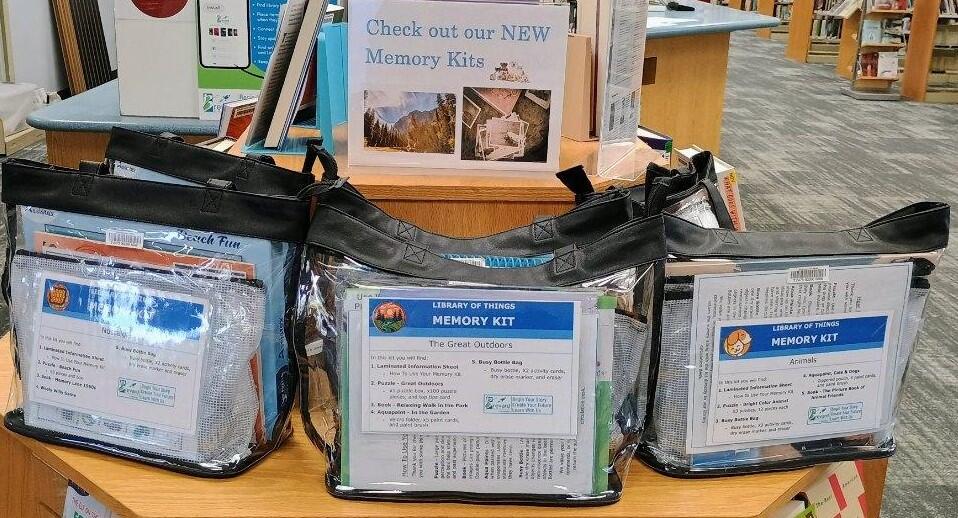
Memory kits provide structured, gentle cognitive and sensory stimulation. They are themed collections of items designed to support engagement rather than test memory or restore lost abilities. These kits promote:
- Emotional connection
- Conversation
- Fine motor engagement
- Social interaction
- Purposeful activity
Themed kits often include:
- Illustrated books
- Simple puzzles
- Sensory objects
- Crafts
- Music
- Reminiscence prompts
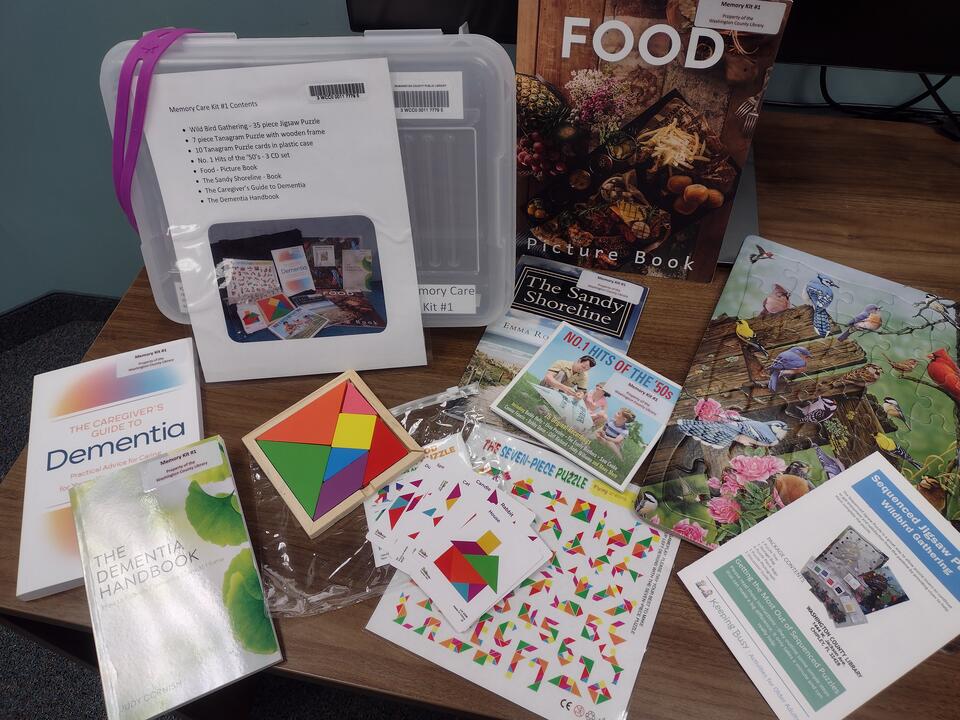
Memory kits are designed to support preserved long-term memory and emotional connection, encourage social interaction, and provide calming, purposeful activities that help reduce boredom and isolation. Kits may be used independently or with a care partner, family member, or friend, and may be checked out for home use or used during a library visit.
Pre-Assembled Memory Kits
Ready-made kits are available to purchase from various organizations and are often organized around specific themes. The following are examples of companies that offer materials designed for cognitive accessibility:
- MEternally
- Penworthy
- Bi-Folkal
Pre-assembled kits may be helpful for libraries seeking structured, ready-to-implement options.
Do-It-Yourself (DIY) Memory Kits
Libraries can assemble their own kits using carefully selected materials tailored to local communities, budgets, and interests. Including inventory sheets inside each kit can help ensure each item is returned.
DIY Memory Kits could include:
- Laminated instructions for care partners
- 24–35 piece puzzles
- Tangram puzzles
- Aquapaint water painting
- Large-print picture books
- Familiar music CDs
- Short story collections
- Fidget tools
- Thumb memory balls
- Community resource brochures
- Feedback form to learn which kit materials are most helpful and easy to use and to offer improvement ideas for the kit
Libraries can partner with local memory disorder clinics or dementia-focused nonprofits to ensure kit materials are appropriate. For example, patrons living with dementia may become emotionally attached to items, such as robotic pets, which can make returning them difficult.

What Florida Libraries Have Learned
- Promotion matters. Advertise memory kits through Councils on Aging, health departments, senior centers, and eldercare providers to ensure care partners are aware of resources.
- Provide clear instructions. Include simple guidance explaining that kits are intended for engagement, not clinical improvement.
- Clarify policies. Limit check-out duration and provide clear return instructions (e.g., not in book drop).
- Plan for replacement costs. Missing items may require small replacement fees or periodic restocking.
Books and Print Materials
Libraries may curate dementia-friendly reading materials for patrons living with dementia, care partners, and children and youth.
The 616.831 call number in the Dewey Decimal System is generally the area for books on Dementia/Alzheimer’s.
Books for Persons Living with Dementia
These books often feature:
- Large print
- Simple sentence structure
- Strong visual support
- Thematic imagery
Examples include works from:
- Dovetale Press
- Titles by Emma Rose Sparrow
- Marlena Books
- Sunny Street Books


Books for Care Partners
Libraries can support care partners by offering books that provide:
- Education and practical caregiving strategies
- Emotional support and encouragement
- Self-care guidance
- Legal and planning information
| Example Books for Care Partners | ||
|---|---|---|
| Title | Author(s) | ISBN |
| Your Dementia Toolbelt | Gad & Costello | 9798218519872 |
| Pathways to Wellbeing with Dementia | Dementia Action Alliance | — |
| The Conscious Caregiver | Abbit | 9781440597732 |
| The 36-Hour Day | Mace & Rabins | 9780446618762 |
This list is not exhaustive.
Books for Children and Youth
Children often observe changes before adults initiate conversations. Libraries can provide developmentally appropriate materials that help children understand memory changes and behavioral shifts.
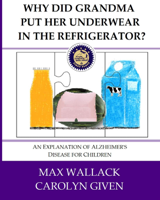

The Alzheimer’s Association offers additional resources and age-appropriate educational materials.
Brain Health and Prevention Resources
Brain health resources empower patrons to learn about the role of lifestyle factors in cognitive well-being.
Libraries can promote lifelong brain health by sharing evidence-informed books on:
- Social connection
- Stress management
- Lifelong learning
- Physical health
- Intellectual engagement
Engagement Activities and Lending Programs
Beyond printed materials, libraries may support engagement through programs and lending initiatives. These activities can strengthen participation among older adults while supporting broader age-friendly community initiatives. Structured activities reduce boredom, promote connection, and support physical and cognitive well-being.
Examples include:
- Memory café social engagement programs
- Exercise classes (e.g., chair yoga, Tai Chi, dance)
- Technology classes for older adults (e.g., email, fraud prevention, social media)
- Lending services to senior living communities
- Hands-on activities (e.g., puzzles, crafts, fiber arts, gardening)
Engagement opportunities should prioritize accessibility, simplicity, and social connection.
See the Community Programming section of the guide for additional examples and partnership ideas.
Educational and Awareness Displays
Themed displays increase visibility of resources, raise awareness, normalize conversation about cognitive health, and connect patrons with support resources.
Libraries may consider displays during:
- Alzheimer’s & Brain Awareness Month (June)
- National Grandparents Day and World Alzheimer’s Month (September)
- National Alzheimer’s Awareness Month (November)
- National Family Caregiver Month (November)
Displays could include:
- Warning signs information
- Local referral resources
- Book lists
- Brain health or memory-stimulating kits
- Program flyers
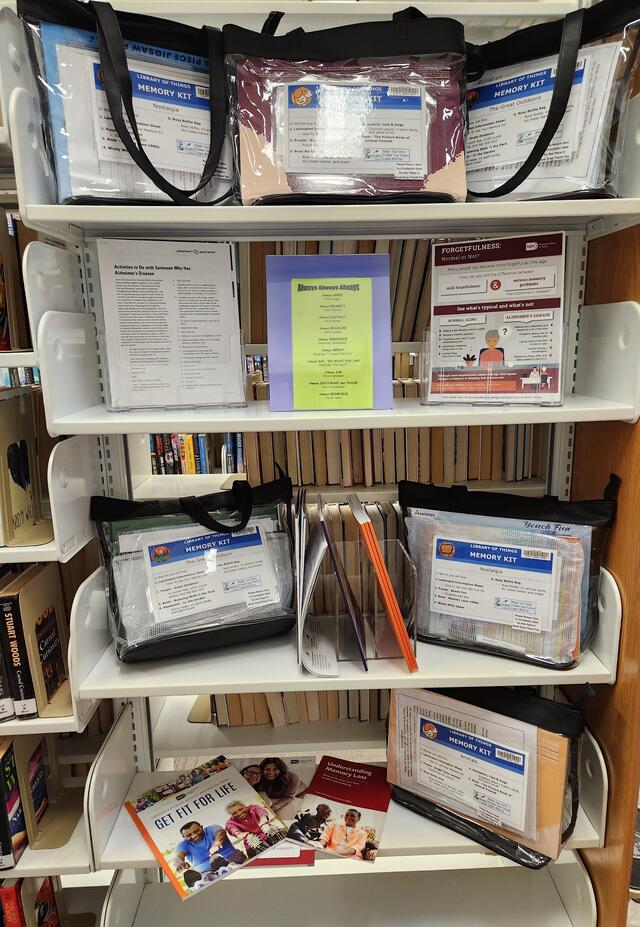
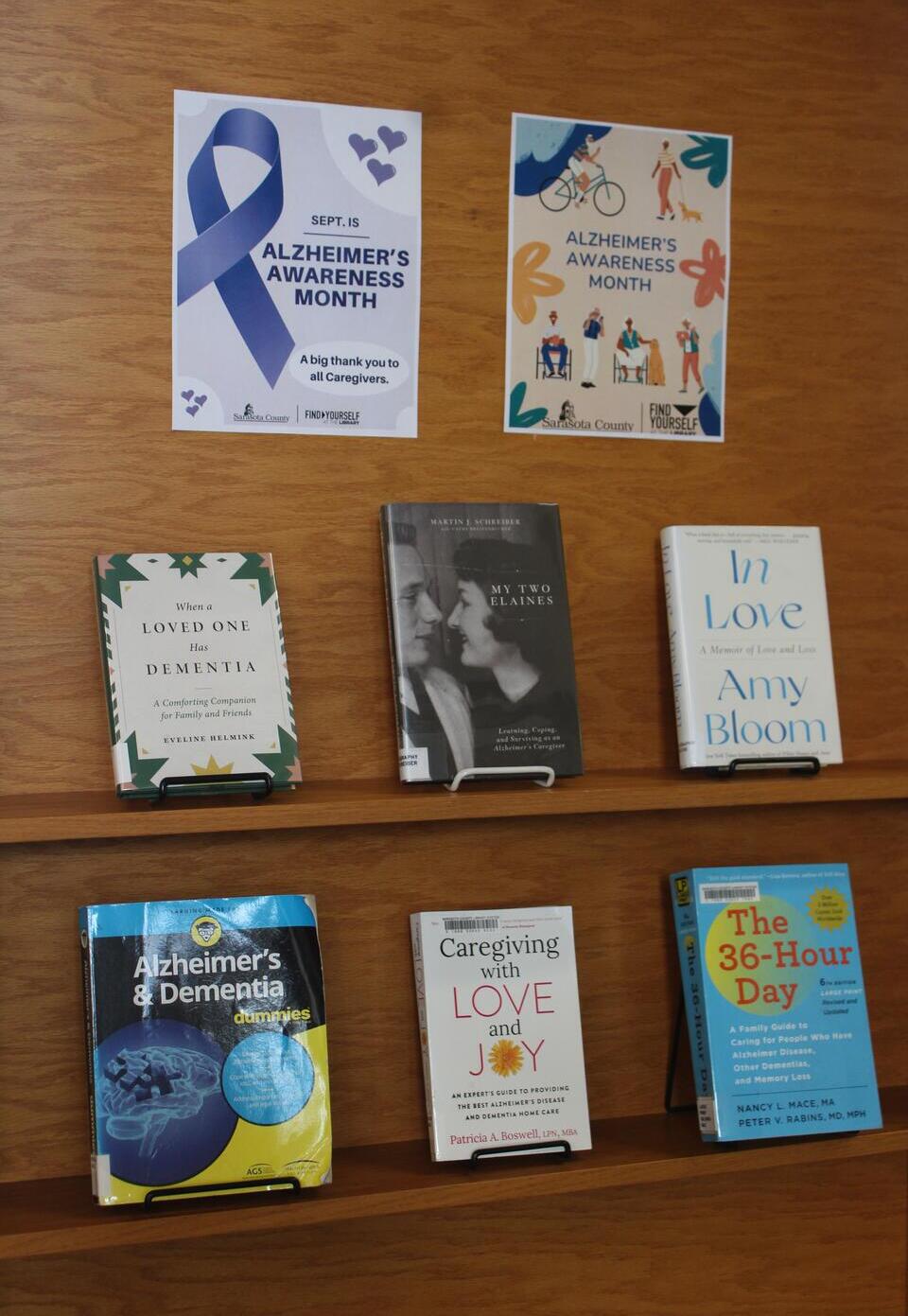
Well-placed displays can serve as discreet entry points for families seeking information.
Social Support and Community Resources
Many factors influence cognitive health, care partner stress, and overall well-being. Libraries are often a first point of contact for individuals seeking assistance.
Examples of resources libraries may share include:
- Food access programs
- Housing and utility assistance
- Transportation services
- Memory clinic referrals
- Caregiver respite services
- Financial counseling
- Elder law resources
Making these resources visible and easy to access reinforces the library’s role as a trusted community partner.
Dementia-Friendly Resources Checklist
Does your library provide: